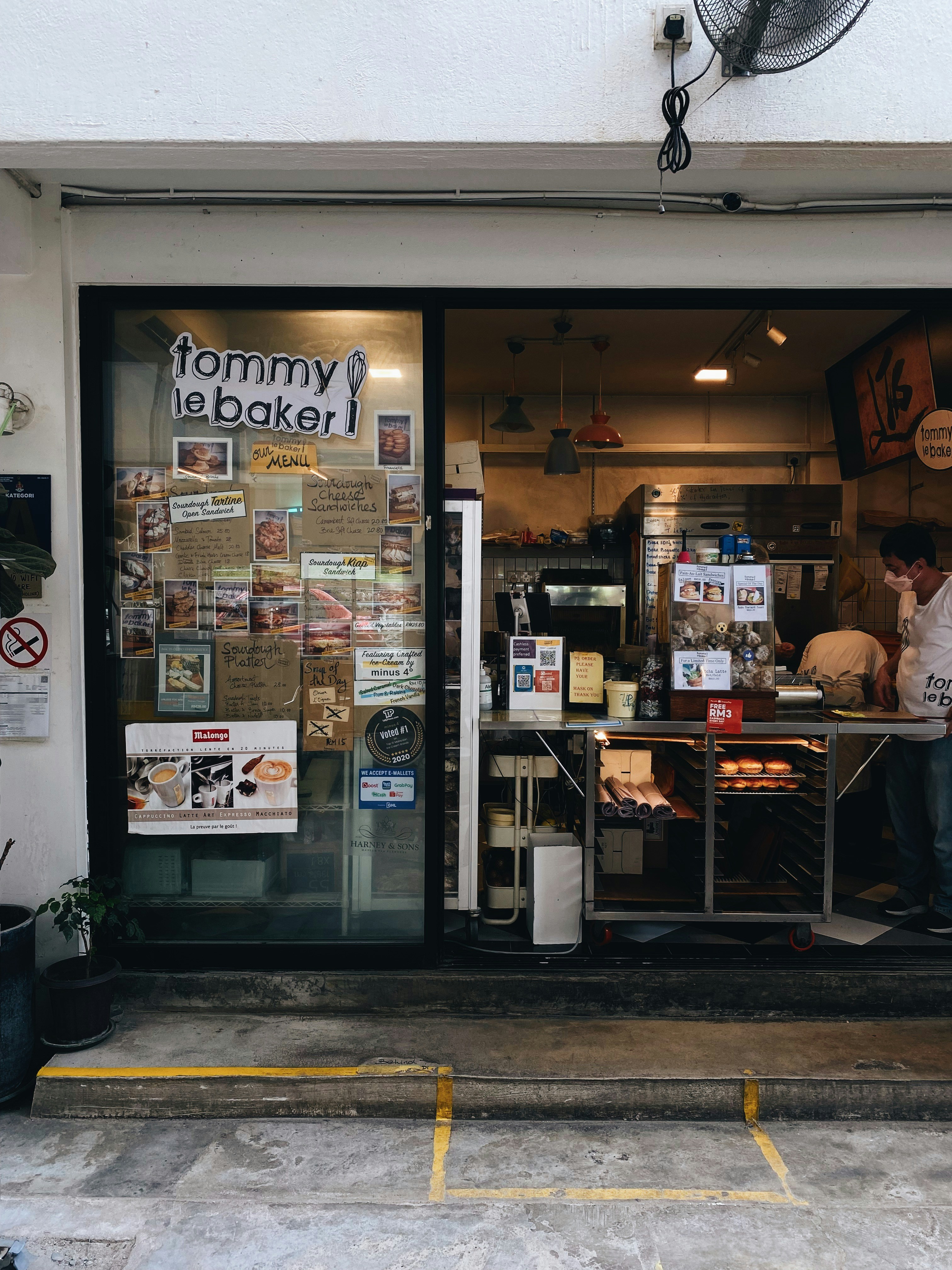
The Basics of Baking: Essential Tools and Equipment
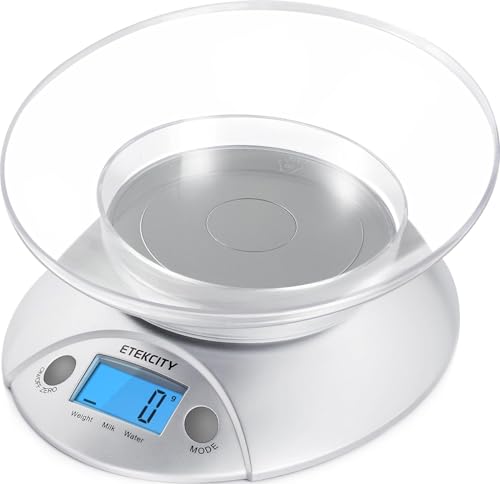
Establishing a successful home micro bakery begins with you but having the right set of tools and equipment helps too. While the array of baking items available can seem overwhelming, there are several essential tools that form the cornerstone of any baking operation. First and foremost, measuring cups, a scale and spoons are crucial for achieving accurate ingredient ratios, ensuring consistency in your baked goods. Investing in a good set will aid in both mastering recipes and experimenting with new ones.
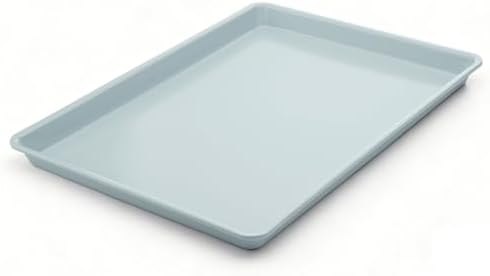
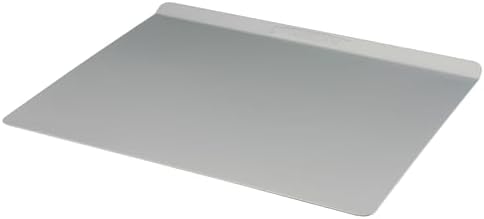
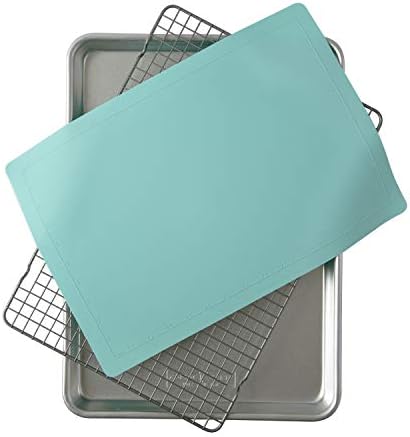
Next, mixing bowls are indispensable. A variety of sizes will cater to different tasks, from mixing small quantities of icing to larger batches of dough. Look for bowls that are sturdy and easy to handle, often made from stainless steel or glass for durability and visibility. Alongside these, you should consider purchasing a set of light colored, quality baking trays and pans. These items can significantly influence the performance of your baked goods, so opt for non-stick options to simplify cleanup, and ensure even heat distribution.
Arguably, one of the most critical piece of equipment in your micro bakery is the oven. A reliable oven with even heating capabilities will elevate your baking projects. Obviously we can’t all just go out and buy new appliances, so while a high-end professional model may be appealing, many home bakers find that standard residential ovens suffice during the early stages. One thing you can do to assist in heat management and consistent bakes is use an oven thermometer to check the temp of your oven. Each oven is different and most are off by a few degrees so to keep your bakes consistent use a thermometer.
Overall, focusing on quality rather than quantity enables you to build a solid foundation for your baking venture. Thoughtfully selected tools and equipment not only enhance your workflow but also contribute to the success of your baked goods.

Ingredients: Starting Your Inventory Right
Establishing a successful home micro bakery begins with the selection of quality ingredients. Essential ingredients such as flour, sugar, butter, eggs, and leavening agents form the foundation of many baked goods. Emphasizing fresh and quality ingredients is crucial, as they significantly influence taste and texture. Whatever you decide to use though, consistency is key. Try to keep your ingredients brands consistent from one bake to another. For example, one brand of flour to another brand of flour may not react the same.
When starting your inventory, consider obtaining ingredients in manageable quantities. This approach not only reduces waste but also allows you to experiment with various recipes and refine your baking skills. For example, purchasing a small bag of flour enables you to test different types (such as all-purpose, whole wheat, or cake flour) and decide which works best for your signature products. Similarly, buying fresh eggs in limited quantities will help gauge your usage without overstocking.
For me personally I buy most my ingredients from bulk food stores like Costco. They often yield better prices and higher quality products compared to standard grocery stores. Exploring farmer’s markets or specialty food stores could present opportunities for finding unique ingredients, which can set your offerings apart in the competitive baking market but they may be pricy. Once purchased, proper storage is vital; ingredients such as flour should be kept in airtight containers in a cool, dark place to prolong their shelf life.
Ultimately, starting small with your ingredient inventory not only encourages mindful purchasing but also facilitates a deeper understanding of what is necessary for your micro bakery. As you discover your baking preferences and best-selling items, you can gradually expand your inventory in alignment with your growing business needs.
Packaging and Presentation: Creating an Appealing Product
When launching your home micro bakery, the importance of packaging and presentation cannot be overstated. The way your baked goods are presented plays a crucial role in attracting customers and enhancing the overall appeal of your products. Utilizing cost-effective yet visually appealing packaging options is essential for ensuring your baked goods stand out in a competitive market.
Although boxes, bags, and labels are fundamental components of effective packaging don’t feel like everything has to be perfect. Simple cardboard boxes can be an excellent choice for items such as cookies and pastries, providing adequate protection while allowing for customization. Clear plastic bags can showcase beautifully decorated cupcakes or artisanal bread, contributing to their visual allure. Moreover, omitting the use of printed materials can save on costs, allowing for a balance between visual presentation and budget limitations.
In terms of product presentation, arranging baked goods in a visually appealing manner is vital. Utilizing stands or trays, creative arrangements, and color contrasts can make a significant difference in how products are perceived. For instance, grouping similar items or using decorative garnishes can create an inviting display. Furthermore, ensuring that your packaging is cohesive with your overall brand aesthetic can enhance recognition and establish a positive impression in the minds of potential customers.
Legal Considerations: Setting Up Your Home Bakery Properly
When starting a home micro bakery, it is important to review the legal considerations that govern food business operations. The first step is to identify the necessary permits and licenses required in your locality. Regulations can vary significantly depending on your region, so thorough research is important.
Review your cottage food laws. Cottage food laws can guide you on what types of products you can sell and under what conditions.
Leave a Reply